How Crypto Exchanges Work: A Simple Guide for Beginners

Crypto exchanges are websites or apps where you swap regular cash for digital coins. You type in how much money you want to spend, click a button, and the app trades your cash for crypto. It feels just like buying a pair of shoes online, but you are buying digital money instead.
Think of an exchange like a busy digital marketplace. It matches people who want to sell their coins with people who want to buy them. The company running the website takes a tiny fee for making that match happen. If you want to get started with digital coins, you will almost certainly use one of these apps first.
What is a crypto exchange and how does it work?
A crypto exchange is a business that connects buyers and sellers. When you sign up, you open an account that holds both regular money, like US dollars or Euros, and digital coins. If you want to learn more about the coins themselves, you can read our guide on What is Bitcoin in Simple Words.
Inside the exchange app, there is a giant list of orders. Imagine a big chalkboard in a market. One side lists people saying, "I want to sell 1 coin for $100." The other side lists people saying, "I want to buy 1 coin for $98." The exchange uses fast computers to match those two sides when the prices meet.
You do not need to chat with the seller yourself. You just put in your order, and the app does the work in less than a second. Once the trade is done, the app updates your balance. You now have less cash, but you have the digital coin in your app balance instead.
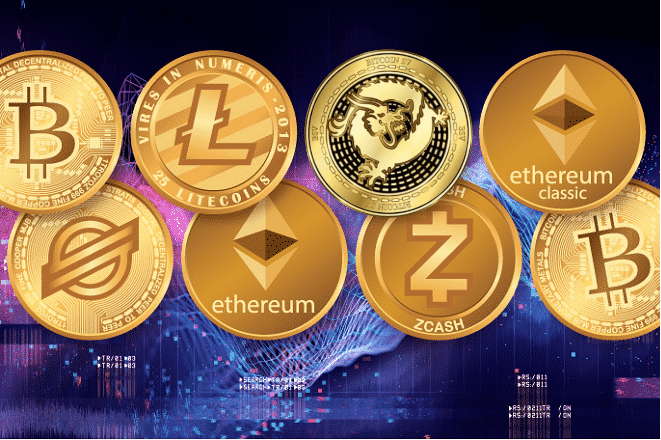
The two main types of exchanges
Not all exchanges work the exact same way. They mostly fall into two buckets, and knowing the difference keeps your money safer.
Centralized exchanges (The easy way)
Centralized exchanges are run by normal companies with offices, CEOs, and customer support teams. Brands like Coinbase or Binance are big examples. They are very easy to use. You log in with an email address and a password, just like your online bank.
These apps hold your money for you. If you forget your password, you can click a link to reset it. But because the company holds your coins on their computers, you have to trust them to keep that money safe. Most beginners start here because the setup is simple and clean.
Decentralized exchanges (The direct way)
Decentralized exchanges do not have a company or a boss running them. They are just automated computer programs running on a public Blockchain network. You do not create an account or send your regular money to a bank account.
Instead, you connect your own private wallet to the app and swap coins directly with other users. There is no customer support team to call if you make a mistake. If you send money to the wrong address, it is gone forever. These apps are powerful, but they are tricky for total beginners.
How to place your first trade
Trading on a centralized platform takes just a few steps. It looks scary at first because of all the flashing numbers, but the basic path is clear.
- Sign up and prove who you are: You give the app your email, address, and a photo of your driver's license. Apps do this to follow government rules against money laundering.
- Deposit some money: You link your bank account or debit card. You can transfer $20 or $2000 to get started.
- Pick your coin: You select the coin you want to buy from a long list of choices.
- Choose your order type: You enter the amount you want to spend and hit the buy button.
- Store your coins safely: The coins show up in your app account right away.
When you place an order, you usually see two choices: a market order or a limit order. A market order buys the coin right now at whatever price is ready. A limit order lets you pick a specific price. You can say, "Only buy this coin if the price drops to $50." The app will wait until the price touches that number before buying.
How exchanges make money
These platforms are not free services. They are businesses built to make a profit, and they charge you small amounts as you move your money around.
The main way they earn cash is through trading fees. Every single time you buy or sell a coin, the app takes a cut. This cut is often tiny, like 0.1% to 0.5% of the total trade. But if you trade $100, they might keep 50 cents. If millions of people trade every day, those small cents turn into big money for the company.
They also charge deposit and withdrawal fees. Depositing money from your bank account might be free, but buying with a credit card often comes with a heavy 3% fee. Taking your money out back to your bank can cost a flat fee too, like $1 or $5. Always check the fee page before you click buy so you do not get surprised.
Another hidden cost is called the spread. The spread is the tiny gap between what sellers want and what buyers offer. Some simple apps hide their fees inside this gap. They might show you a coin price that is slightly higher than the real market price, keeping the extra money for themselves.
The real risks you should know about
Trading Cryptocurrency comes with real risks that normal bank accounts do not have. Being aware of these risks helps you protect your hard-earned cash.
First, exchanges can get hacked. Because these websites store millions of dollars in digital funds, criminal hackers target them constantly. While big platforms use strong security, bad actors have stolen coins from accounts in the past. If an exchange goes under or loses funds, you might lose your money.
Second, price swings can happen in seconds. You could buy $100 worth of a coin today, and it might be worth $80 tomorrow morning. The app works fine, but the value of what you bought moved down fast. Never trade money you need for rent or food next week.
Third, scams are everywhere in this space. Fake websites pretend to be famous platforms to steal your login details. Always double-check the web address in your browser before typing in your password. For more tips on keeping your funds secure, check out our full guide on crypto exchange safety basics.
Lastly, remember that keeping your money on an app means the app owns the keys to that wallet. If the company closes down or freezes your account, you cannot get your money out until they allow it. Many long-time users move their coins off exchanges into their own private wallets for long-term safety.
Choosing the right platform for your needs
With hundreds of sites online today, picking the right one takes a few minutes of checking facts. You want a platform that makes life easy without taking unnecessary risks with your funds.
Look for sites with a long track record. A platform that has operated safely for five or ten years is usually a safer bet than a brand-new website that launched last week. Read reviews from real users online, and check if the platform is registered with legal financial groups in your country.
Check the customer support options too. If your deposit gets stuck on a Friday night, can you chat with a real human? Or will you be stuck sending emails to an automated bot that takes three days to reply? Good help makes a huge difference when money is involved.
Start small while you are still learning the ropes. Deposit a small amount like $10 or $20 first. Try buying a tiny piece of a coin, move it around, and test withdrawing it back to your bank account. Once you see how the whole loop works firsthand, you will feel much more confident using these tools.
What is the first step you plan to take with your digital balance this week?


Comments
Post a Comment